








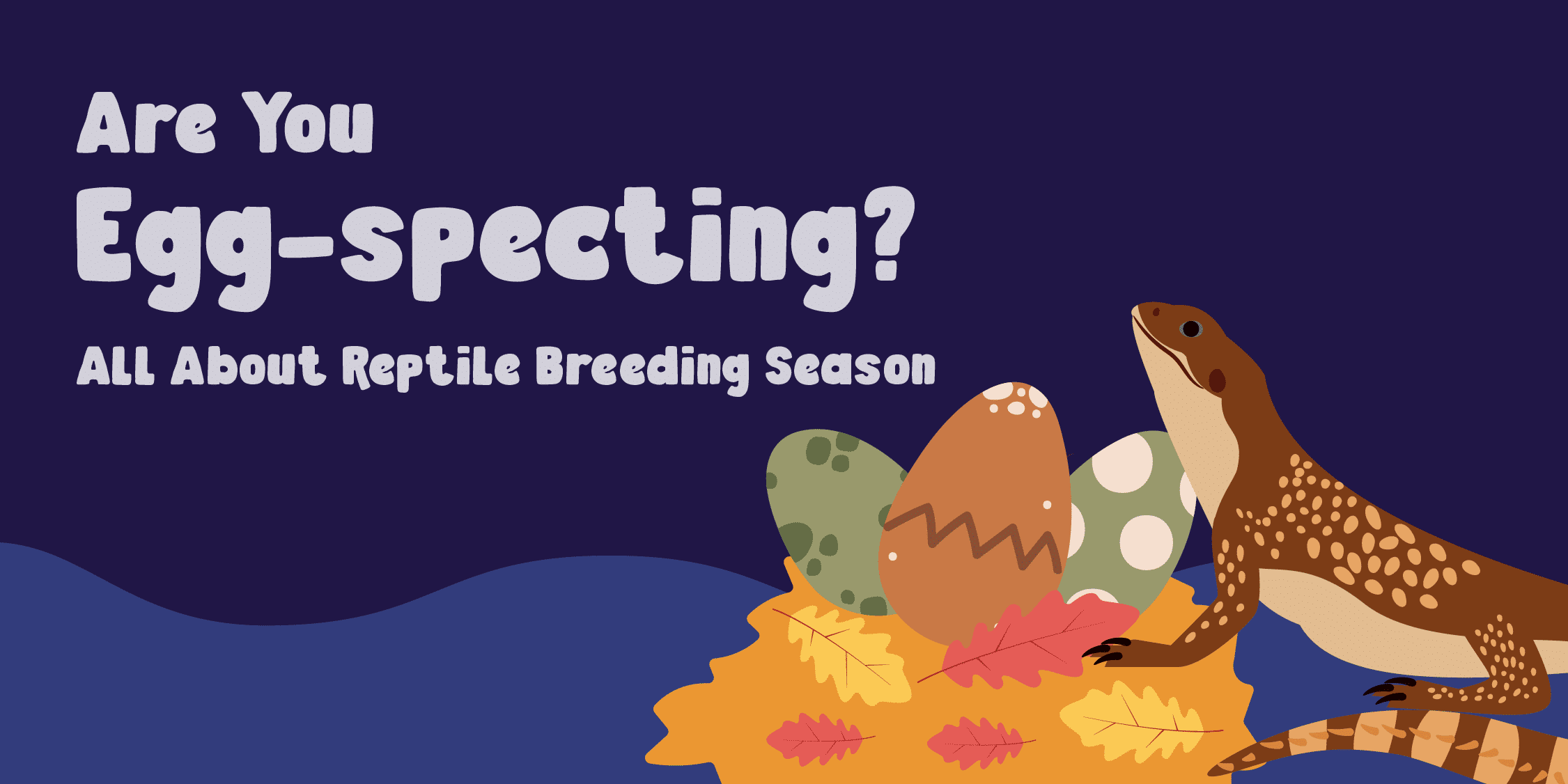



Did you know that not all reptiles lay eggs? Depending on the species, some actually give birth to live young! As we head into breeding season, here is everything you need to know about our scaly friends.
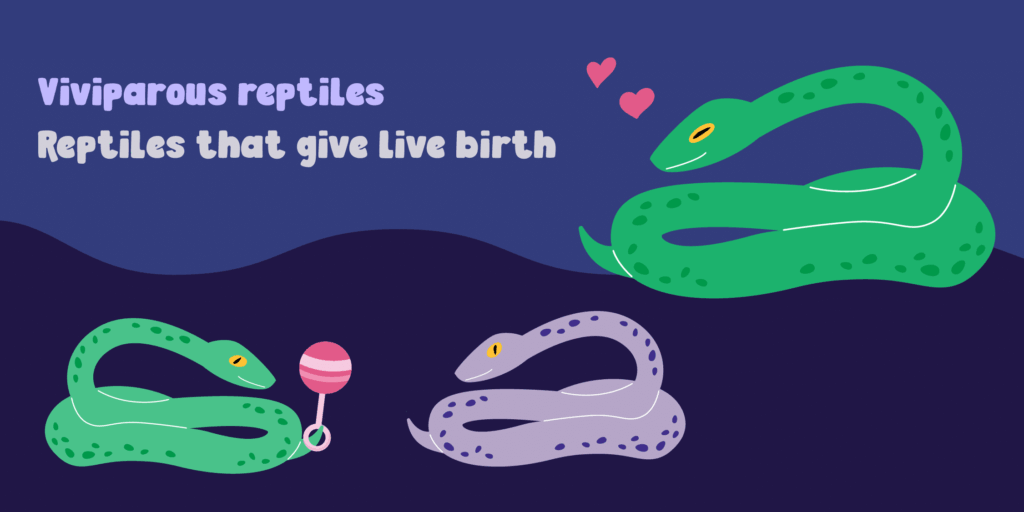
These mothers develop and nourish embryos internally. The babies are born ready to rock!
Examples include Blue-Tongued Skinks, Shingleback Skinks, Red-Bellied Black Snakes and Tiger Snakes.
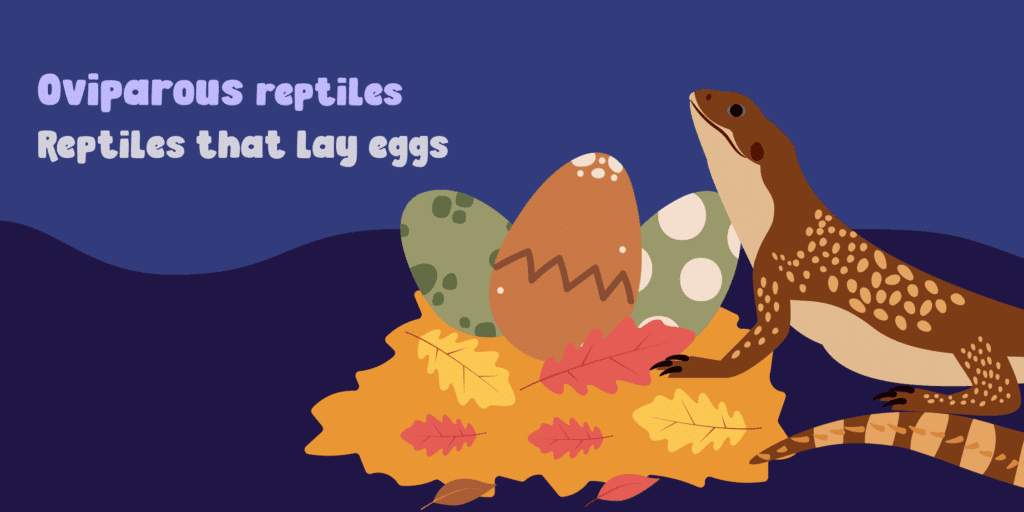
These mothers lay eggs that incubate outside the body. The offspring get all their nutrition from a yolk sack inside their shell.
Examples include Carpet Pythons, Bearded Dragons, Knob-Tailed Geckos and Ridge-Tailed Monitors.
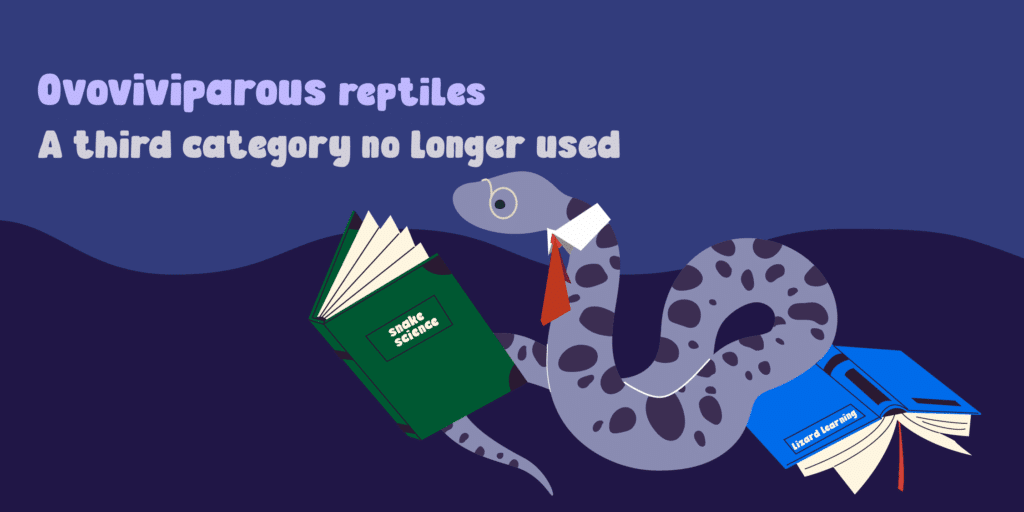
You might have heard this term used for reptiles that carry eggs inside them until they hatch. However, thanks to better research, we now only classify these species into one of the two categories above!
If you stumble across reptile eggs in your garden, follow these rules to keep them (and yourself) safe:
Unlike bird eggs, reptile embryos attach to the side of the shell. Rolling or turning the egg even slightly can detach the embryo and kill it.
If they absolutely must be moved, call a snake catcher or a group like WIRES or NSW Parks and Wildlife. They are trained to transport eggs safely.
If you stumble across reptile eggs in your garden, follow these rules to keep them (and yourself) safe:
Keep mulch, sand, and piles of dirt contained or covered. These are 5-star hotels for reptile eggs!
Remove long grass, leaf litter, and woodpiles to minimize hiding spots.