






Caring for Sick or Injured Herbivores
When domestic herbivores (such as Rabbits and Guinea pigs) become unwell, quick action is vital.
Because herbivores are prey animals, they often hide signs of illness until they are very unwell. So if something seems off, act immediately.
Please note, this article relates to domestic herbivores. If you are looking after a wild herbivore (such as a kangaroo, wallaby, wombat etc) then please refer to the Wildlife Heroes rescue handbook.
Quick Action Steps For an Unwell Herbivore
- Provide warmth. Keep them in a warm (not hot) environment so energy is not wasted on staying warm.
- Create a quiet recovery space Keep them away from other pets, children and noise.
- Make water accessible. Place fresh water in a shallow, easy-to-reach container.
- Offer normal food. Always keep their regular hay, pellets and greens available.
- Supportive feeding. Begin supportive feeding as soon as possible if the animal is emaciated or dehydrated, otherwise offer food and wait 24 hours. If the animal does not begin to eat voluntarily, then feeding Crittacare Herbivore should begin.
Spotting Signs of Illness in Herbivores
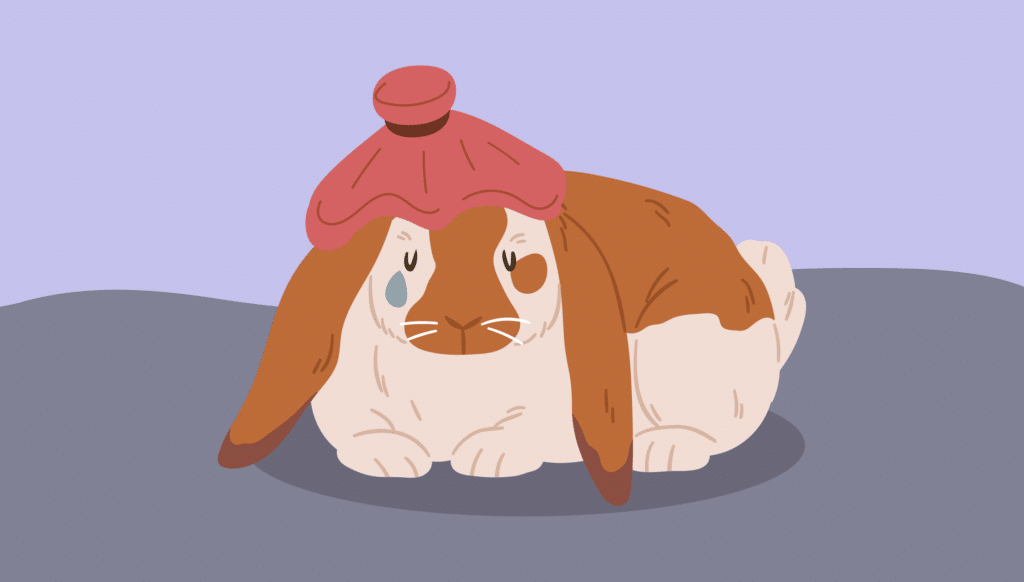
- Seek veterinary care immediately if you notice:
- Hunched posture or tucked-in body.
- Sleeping more than usual or reduced activity.
- Loose stools, changes in faeces colour, or staining from prolonged diarrhoea.
- Discharge around the eyes or nasal passages.
- Loss of appetite or refusing favourite foods.
- Weakness, wobbliness, or unsteadiness.
- Coughing, wheezing or changes in breathing.
If any of these symptoms appear, the safest course of action is to see a vet ASAP. If this isn’t possible, hospitalise the animal, monitor them closely, and provide supportive care until veterinary help is available.
General Recovery Priorities
When caring for sick or injured herbivores, focus first on the basics:
- Low stress. Place the animal in a quiet, dark environment away from noise, pets and handling.
- Warmth. Maintain a stable, comfortable temperature (around 26–28°C) so the animal doesn’t waste energy trying to stay warm.
- Hydration. Provide easy access to fresh water; dehydration can worsen illness rapidly.
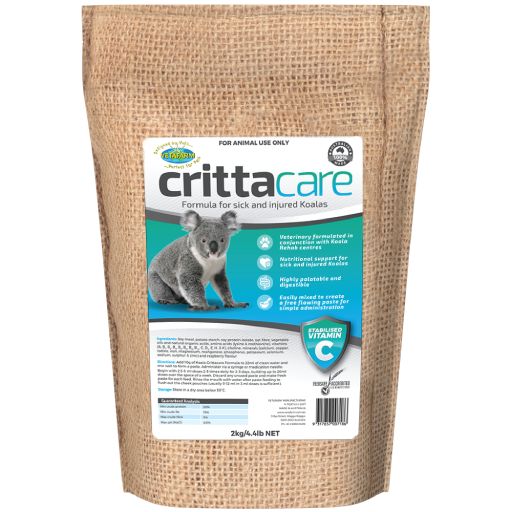
- Nutrition. Use Crittacare Herbivore to keep gut function active and provide essential nutrients.
First Aid Priorities For Emergencies
-
Bleeding.
Firmly apply a clean bandage directly onto the wound. If bleeding does not stop or slow, wrap another bandage over the top while maintaining pressure. If bleeding continues, seek urgent veterinary care. -
Burns.
Flush the area with tepid water for at least 5 minutes and remove debris. For eyes, flush gently with 0.9% saline. Place the animal on a moist towel if feet are burnt, as this can provide relief. -
Broken Bones.
Do not attempt to realign or manipulate broken bones. If bone has pierced the skin, cover lightly with a clean cloth and keep as clean as possible to reduce infection risk. Do not apply pressure. Immediate veterinary care is required. - Always seek veterinary assistance as soon as possible for these situations.
Nutrition & Recovery
Many pet herbivores struggle to recover from illness or stress because they cannot get enough nutrients on their own.
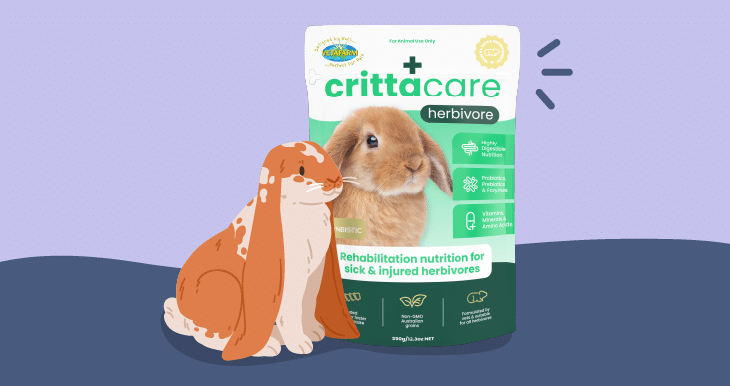
Crittacare Herbivore is designed as a complete recovery formula, providing everything an unwell herbivore needs in a highly digestible form. This means they can conserve energy for healing rather than spending it trying to process food.
Every minute counts when a herbivore stops eating.
Preparing Crittacare Herbivore
- Add 12–15 g (1 heaped dessert spoon or 2 heaped teaspoons) of Crittacare Herbivore into a container.
- Add 40–45 mL hot water and blend with a fork until smooth and creamy (adjust thickness as needed).
- Fill a 50 mL syringe with the mix (remove plunger to fill from the back if easier).
- Feed 1 syringe (approx. 45–50 mL) per kg of body weight, 3–4 times daily (or less as advised).
- Continue regular feeds until the animal resumes normal eating.
- Prepare only enough for one feed. Crittacare cannot be reheated.
Choosing the right feeding method & schedule

Feeding needs vary depending on:
- Age: Younger animals need smaller, more frequent feeds.
- Species: Small herbivores may have differing nutritional but for short term support and rehabilitation Herbivore Crittacare is perfect.
- Appetite: If the animal won’t self-feed, syringe or gastric-tube feeding will be necessary.
- Your ability: Only use a feeding tube if trained and confident, otherwise syringe feeding is safest.
When unsure, always seek veterinary guidance for the correct method and frequency.