







Keeping Pets Comfortable in Winter: What Every Owner Should Know
As temperatures drop, it’s important to remember that our pets feel the chill too. Whether you share your home with birds, rabbits, guinea pigs, reptiles, cats or dogs, winter brings unique challenges. Here’s a guide to help you keep your friends warm, healthy and comfortable.
Optimal Temperatures for Common Pets
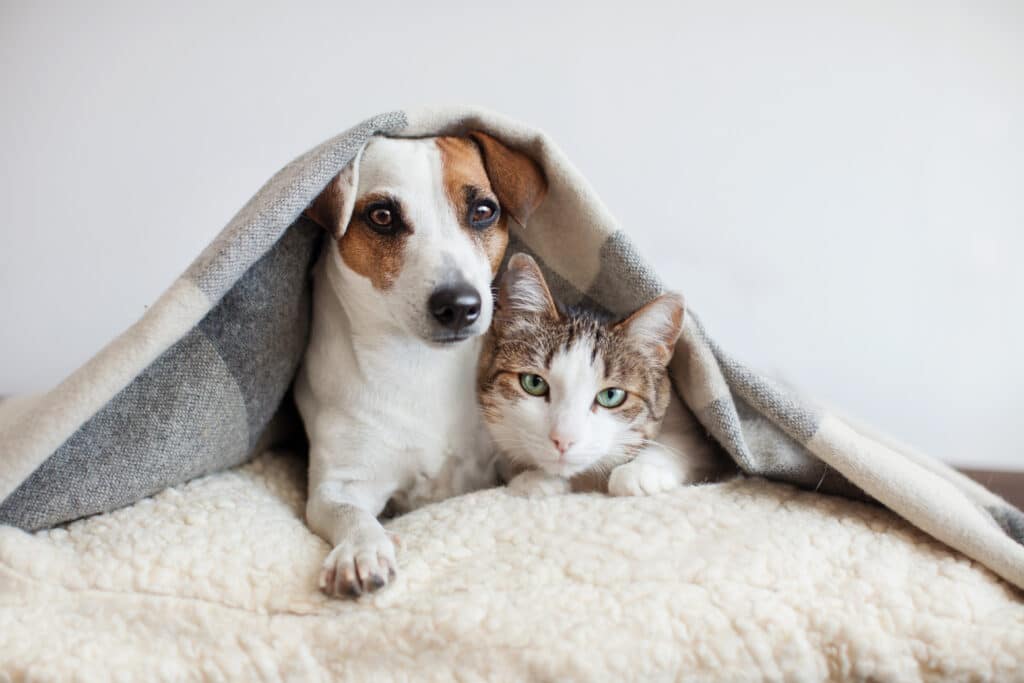
Preferred Temperature Ranges – also known as Thermoneutral Zones – can vary for our animals and their circumstances. Below are some guidelines that can help when we’re not sure what our animals need. Remember, some species have more specific requirements, so it’s important to do your research to thoroughly care for these animals.
| Birds | 20–25°C (65–77°F) |
|---|---|
| Rabbits | 15–25°C (59–77°F) |
| Guinea Pigs | 18–23°C (65–75°F) |
| Cats | 25–35°C (77–95°F) |
| Dogs | 18–24°C (65–75°F) |

What about reptiles?
Our Ectothermic friends are a bit different to other pets. Due to their unique features, they naturally require a thermal gradient that is more specific to their age and species. Generally speaking – during winter reptiles will enter brumation, however, for pets this is not always the case and that is fine! Below are the general guidelines for reptiles.
| Reptile | Ambient | Basking | Notes |
|---|---|---|---|
| Lizards | 21–27°C (70–80°F) | 29–40°C (85–105°F) | Not less than 15°C (59°F) at night. |
| Snakes | 22–28°C (75–85°F) | . 32-40°C (89-104°F) basking. | Not less then 15°C (59°F) at night. |
Winter Care Tips for All Pets
- Provide Warm Shelter
- Bring outdoor pets inside or ensure they have insulated, weatherproof shelters. Enclosures should be dry, draft-free, and off the cold ground. Cover part of cages or hutches at night to retain warmth while allowing ventilation.
- Add Extra Bedding
- Small animals like rabbits and guinea pigs need thick layers of straw or hay to burrow into. They should also frequently replace damp bedding, as wet material can freeze. Microwaveable heating pads (designed for animals) can offer extra warmth, but it's essential to ensure they are not hot enough to cause contact burns and are not damaged before use.
- Use Safe Heating Options
- For birds and reptiles, use species-appropriate heating like ceramic heat emitters or reptile heat mats on thermostats. Avoid heaters with Teflon coatings around birds. Ensure all cords and heat sources are secure and inaccessible to pets.
- Maintain Proper Temperatures
- Monitor room and enclosure temperatures with thermometers. Use space heaters or heating lamps safely to maintain the right range. Reptiles need a thermal gradient, with both warm basking spots and cooler zones.
- Keep Pets Dry and Draft-Free
- Avoid placing cages near drafty windows or doors. Dry off wet animals promptly. Protect paws from snow and de-icing salts.
- Offer Cozy Bedding & Clothing
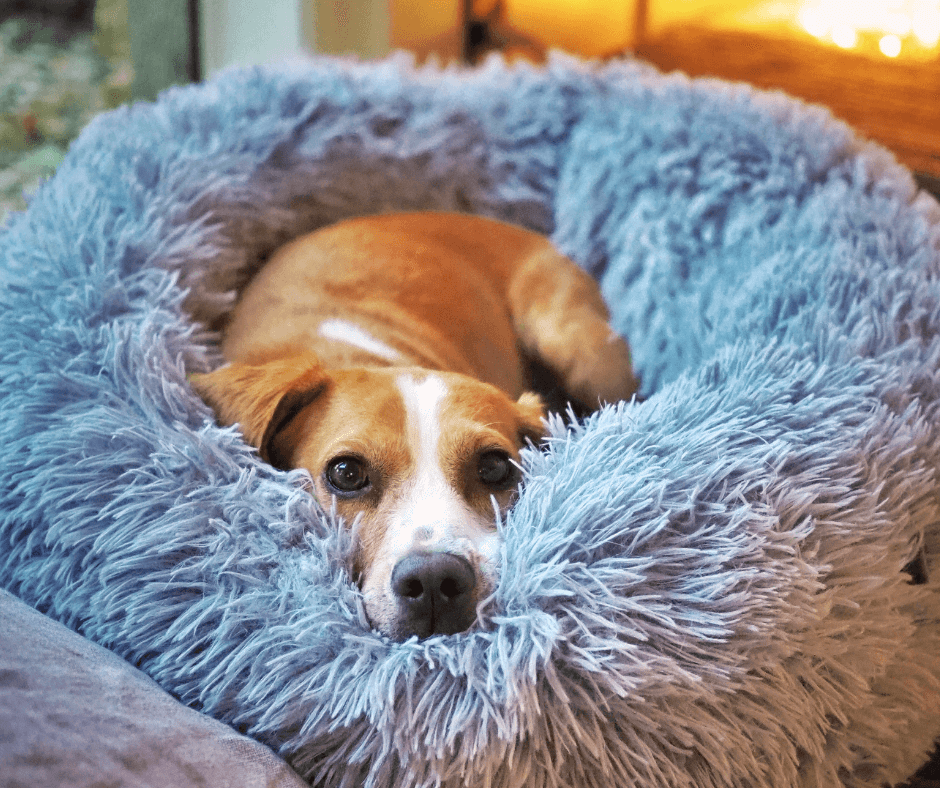
- Cats and dogs may appreciate extra blankets or a soft bed away from draughts. Short-haired dogs can benefit from a coat during cold walks.
- Maintain Exercise and Enrichment
- Even in winter, pets need activity. Shorter outdoor walks for dogs, supervised indoor play for cats, and enrichment toys for small animals and birds help prevent boredom and keep pets warm through movement.
- Check Food and Water
- Cold weather can change energy needs. Monitor your pets' food intake and ensure they have access to unfrozen water. Heated bowls or frequent water changes may be needed. It's also important to note that dehydration during winter can be serious as animals might dislike cold water and drink less. Providing lukewarm water to encourage drinking is an easy way to help make sure our pets stay hydrated.

Care for Vulnerable Pets
Young, elderly, or ill animals are more sensitive to cold. Keep a close eye on them and provide additional warmth. Birds and reptiles may benefit from additional warm boxes/hides that they can shelter in.
By making small adjustments during the colder months, you can help ensure your pets stay comfortable, healthy, and happy all winter long. If you’re ever unsure, speak to your veterinarian for personalised advice.
Stay warm and keep those tails wagging, wings flapping, and whiskers twitching!