




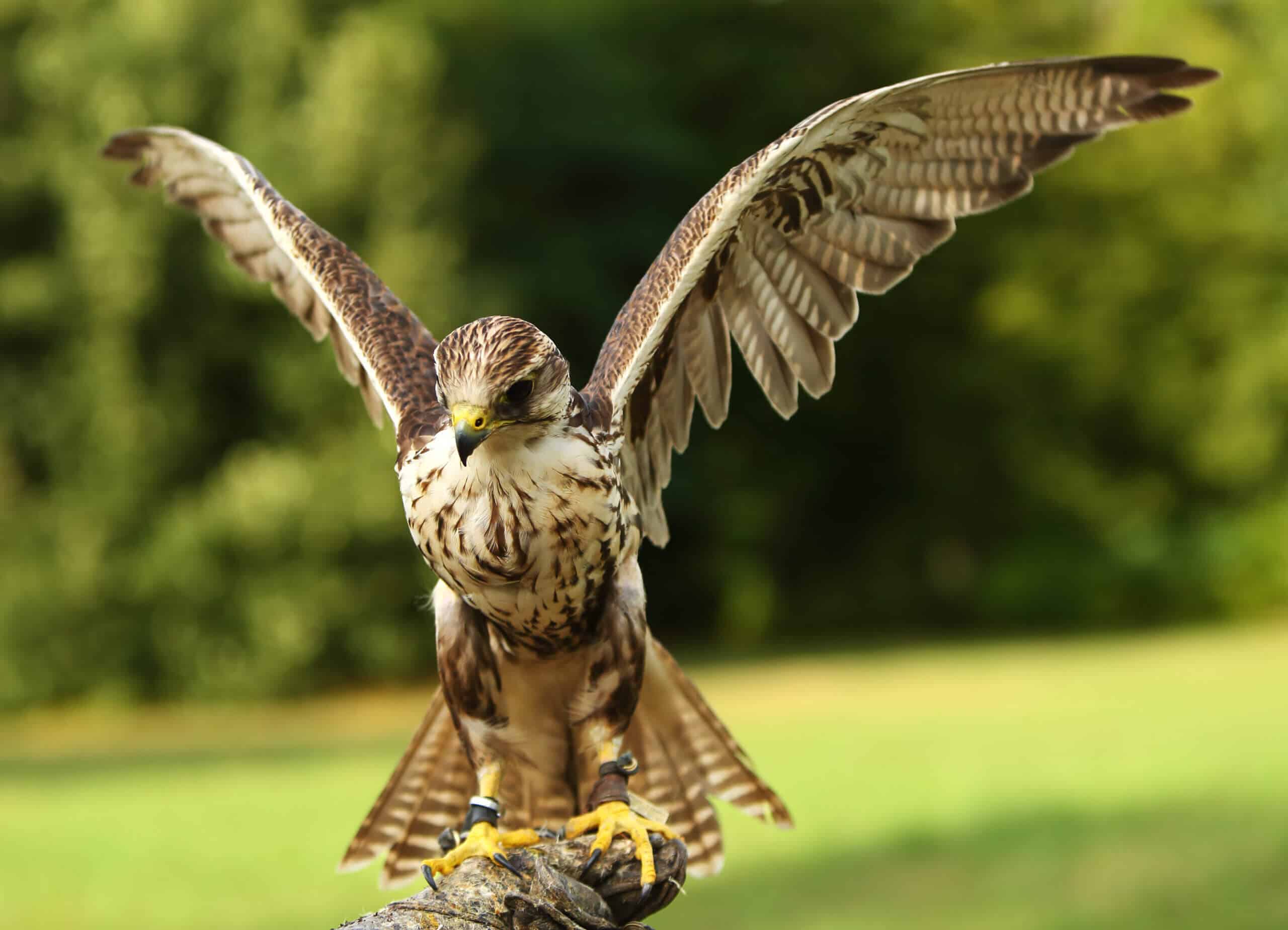
Common Types of Worms in Falcons
Worms are a common issue that falcons can encounter, often transferred via their food sources. Worms can impact your falcon’s overall health if left untreated, discover the types of worms that can affect your falcon.
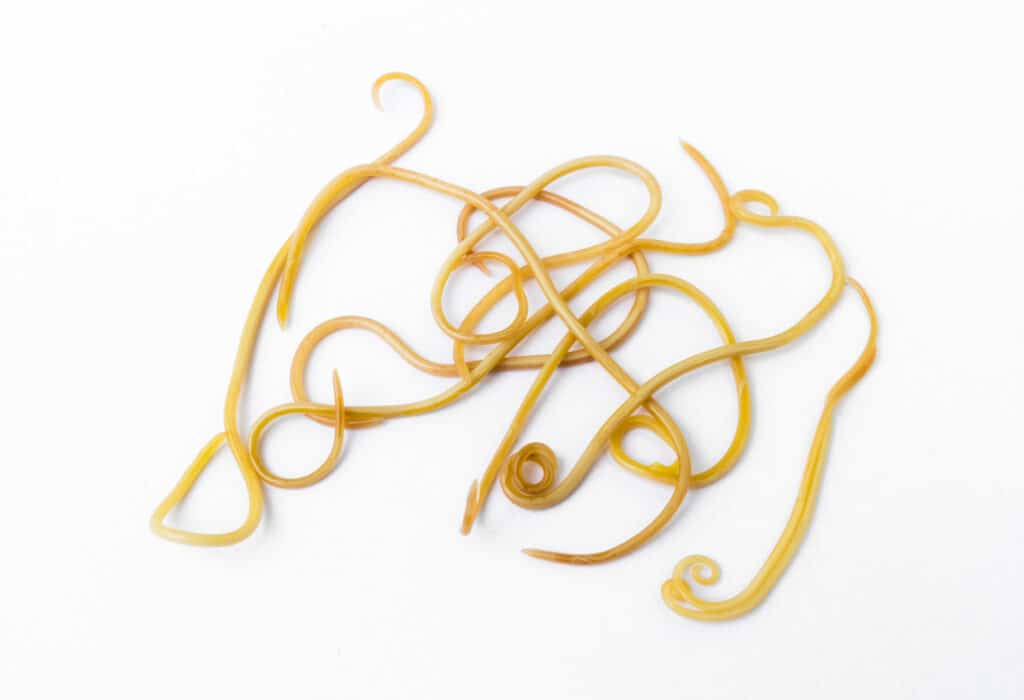
Roundworm
Roundworm infections are common in falcons and can be caused by various species such as Ascarids and Capillaria spp. These worms primarily affect the gastrointestinal tract of falcons.
Symptoms of roundworm infections in falcons can vary depending on the severity of the infestation, common symptoms are:
- Weight loss
- Poor growth in younger falcons
- Poor feather quality
Tapeworm
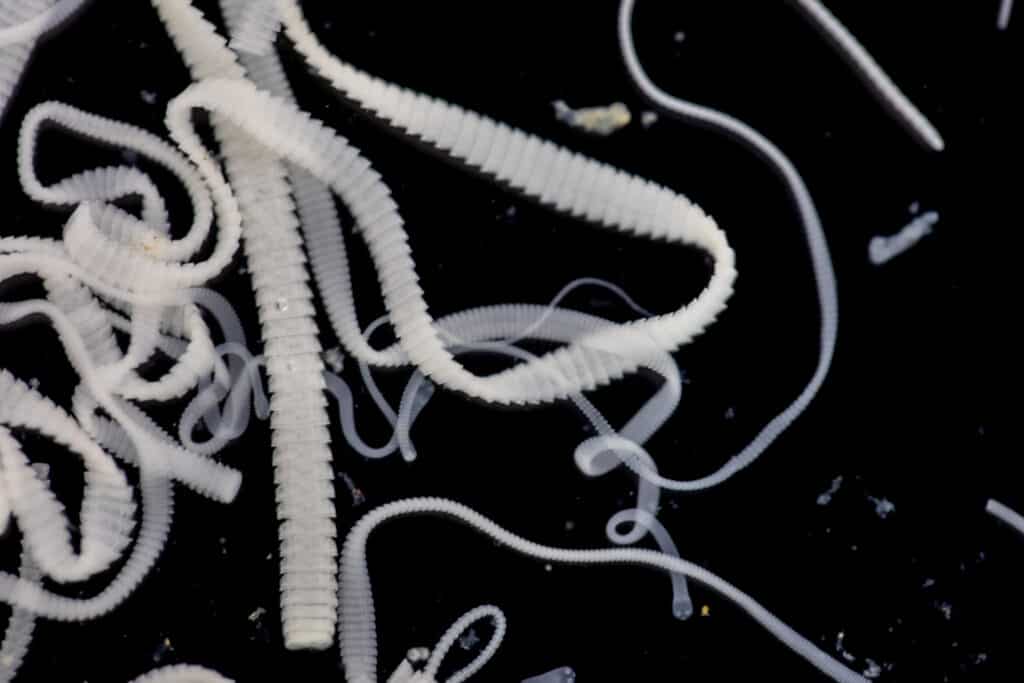
Tapeworm infections in falcons are caused by species like Choanotaenia spp. and Paruterina falconis. These worms attach themselves to the falcon’s intestines and can grow in segments.
Falcons with tapeworm infections may display the following signs:
- Discomfort or restlessness
- Excessive grooming
- Feather picking
- Rubbing against perches or other objects
Hairworms
Hairworm infections n falcons are relatively rare, but they can occur. These worms typically inhabit the falcon’s digestive tract.
Some of the symptoms include:
- Abdominal discomfort
- Diarrhoea
- Lethargy
- Weight-loss

Flukes
Fluke infections are less common in falcons, but they can occur. Can infect falcons through the ingestion of intermediate hosts, such as snails or fish.
Possible symptoms associated with fluke infections in falcons include:
- Weight-loss
- Abdominal discomfort
- Lethargy
Lungworms
A type of parasitic worm that can infect the respiratory system of falcons. Falcon lungworms are typically acquired through ingesting infected intermediate hosts, such as earthworms or insects, that carry the parasite’s larvae.
Lungworm infections in falcons can cause a range of respiratory symptoms, including:
- Coughing
- Sneezing
- Wheezing
- Difficulty breathing
- Nasal discharge