





Caring for Junior Rabbits
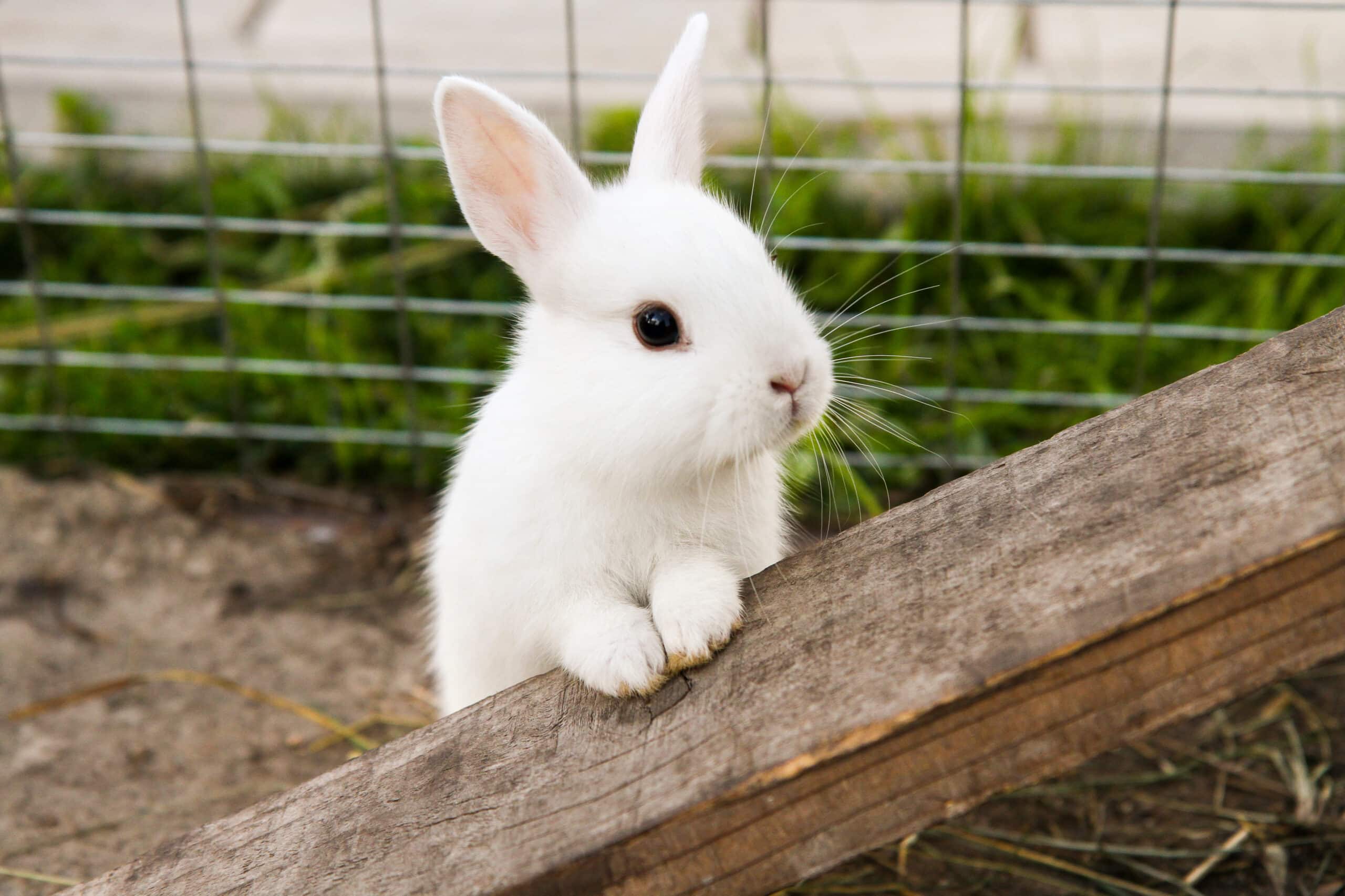
Gaining a new addition to the family is an exciting time, and for new pet parents, it can be a valuable learning experience. In general, rabbits require secure housing, exercise and enrichment, socialisation and a specific diet for optimum health and well-being.
Rabbits are small herbivores (plant-eaters) with an average lifespan of 8 years. They are very active, social creatures that spend much of their day nibbling on food and socialising with their littermates and enclosure buddies.
Rabbits are born as small babies called “kittens” and require care from their mothers until they are weaned (often around 4-6 weeks of age). Finding their forever homes around 8 weeks old, that’s where you come in!
About Rabbits - The Junior Life Stage
Just like any other baby, rabbits go through important developmental milestones! Helping them along the way sets them up for a happy and healthy life. When it comes to junior rabbit development, there are four key areas to focus on:
- Brain Development: As we know, the brain is the centre that oversees almost everything in the body. If rabbits are not able to fully develop their brains, this can lead to neurological deficits and lifelong conditions.
- Gut Development: Proper development of the gastrointestinal system is important as rabbits need to be able to efficiently digest their food and transport nutrients to the rest of the body. The gut also plays a large role in immune health, so by providing the best developmental building blocks via correct nutrition we are able to best support our junior bunnies!
- Growth: Growing rabbits require plenty of nutrients to help them build strong bones, muscles and other healthy tissue throughout the body. By providing young bunnies with proper nutrition, we can ensure they are growing at a healthy rate and preventing conditions such as stunted growth or MBD (Metabolic Bone Disease)
- Socialisation: Having junior rabbits well socialised can help them be confident and feel secure within their environment and when dealing with stressful situations. They are naturally anxious animals, so it’s important to provide them with stress-free interactions that build their trust and confidence. Bonding time is valuable for fostering good relationships between you and your young bunny. You can also use this time to teach them tricks!

Housing
Bringing home a new rabbit is an exciting time! To make sure they settle in comfortably, it’s important to have everything ready beforehand. The first step is choosing the right enclosure that fits your space and keeps your bunny safe and happy.
If you are limited on horizontal space, consider a two (or more) story enclosure where your rabbit can still have plenty of space with ramps to get to different levels. Or, if you’re setting up outside, make sure it is in a safe space where they are protected from the weather, direct sun and other animals that may not be so friendly.
Rabbits, while considered “small animals,” require a large amount of space to keep them happy and healthy. In the wild, rabbits enjoy vast open areas to run, jump and stretch out, so as their carers, it’s up to us to make sure we provide them with enough space to thrive.
It is generally recommended that your enclosure be a minimum of 3m x 2m with at least 1m of height so they can run, jump and move about freely. If you live in a country with introduced mosquito viruses like Australia, keeping your rabbit indoors is recommended. For tips on indoor enclosures, there are some excellent examples at the Rabbit Sanctuary.
When choosing an enclosure, keep in mind how easy it will be to clean!
Rabbits are social creatures and are best housed in pairs or trios. However, desexing or housing males and females separately is important as they are sexually mature from 8 weeks old and can have a litter every 30-40 days!
Providing plenty of hides and tunnels will keep your rabbit feeling protected whilst also providing them with enrichment. Choosing a good substrate/flooring to keep your rabbit’s area clean is very important, especially if they’re staying inside.
Rabbits can be easily litter trained, which helps to prevent mess throughout their enclosure and therefore, bedding can be kept to a minimum.
- The Most Popular Bedding Options Are:
- Rabbit mats
- Hay or bedding straw
- Newspaper/butchers paper
- Shredded pellets
- Paper pellets
- Wood shavings

Enrichment
There are so many fun ways to keep your rabbit entertained! Offering different toys, spaces, flavours and scents helps keep their mind active and engaged. Letting your rabbit explore a room or a supervised playpen gives them the chance to run, play, and build confidence in new surroundings.
Don’t forget toys! Junior rabbits are very playful and ensuring they have plenty of safe toys to keep them active is key to keeping them healthy and preventing obesity!
Enrichment can also be given in the form of treats, like our Herbivore Harvest Deli Stix or our functional Origins Chews! Treats can be a great way to bond with your rabbit whilst adding variety and excitement to their diet.
Some great toy choices include:
- Balls
- Chew toys
- Tunnels
- Hay-stuffed containers
Nutrition For Junior Rabbits
Junior rabbits require a balanced diet to ensure their bodies have enough energy and nutrients to sustain their development into healthy adults. Trying to balance a home-made diet is tricky and leaves many people uncertain if their rabbit is getting the proper amounts of fibre, protein, vitamins and minerals they need. We have taken all the guesswork away with our specifically formulated diet for junior bunnies.
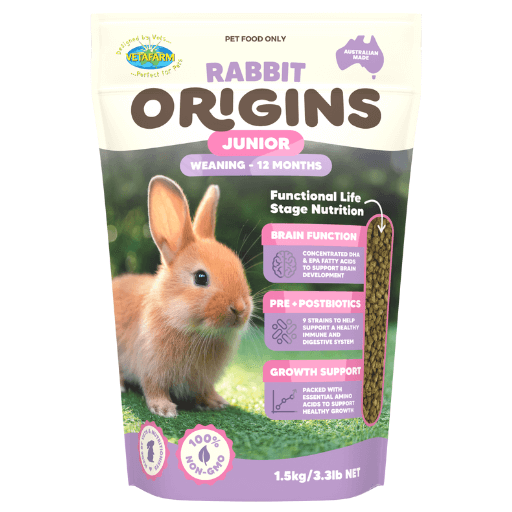
Vetafarm’s Rabbit Origins Junior pellets are a great choice. Our team of veterinarians and animal nutritionists have worked hard to ensure your rabbits are getting perfectly balanced food packed with all the vitamins, minerals and functional benefits that help them grow.
Most of a rabbit’s diet should consist of fresh hay, such as our Lucerne Mini Bales, unlimited Rabbit Origins Junior pellets and assorted veggies. This ensures our rabbits are getting a balanced diet with everything their growing bodies and developing minds need. Be sure to choose bowls that your rabbit will be able to eat from, and suitable bowls or bottles for their water.
Rabbit Origins Junior contain:
- Omega 3 fatty acids DHA and EPA: improves brain development and have a beneficial role in bone health, retinal health and immune function.
- Pre and postbiotics: helps promote and build gut health in young animals. We include a whopping 9 strains, as greater postbiotic diversity is more beneficial to gastrointestinal health for the microbiome.
- Higher Protein: important for junior rabbits as it ensures they are able to grow and develop properly. Without increased protein, your rabbit won’t have enough energy to grow, which puts stress on their body and can mean they are at risk of developing immune deficiencies and catching harmful pathogens.

Common Health Issues
Calicivirus and myxomatosis
Calicivirus and myxomatosis in rabbits are two serious infectious diseases spread by mosquitos. Introduced to control wild rabbits, they are most common during the warmer months of the year (spring until autumn) and at times when the Government schedules a wild rabbit control program.
Rabbits can be vaccinated against Calicivirus and require yearly vaccinations to protect them from getting sick and spreading the virus to others. However, in Australia they can’t be vaccinated against myxomatosis, so it is recommended that they be kept indoors or in a mosquito-free area.
Ever-Growing Teeth
A young rabbit’s teeth grow at a rate of 2-3mm per week (that’s about a centimetre a month!) Much like human children, young rabbits also don’t always want to eat what’s good for them, so ensuring that they are chewing and grinding down their teeth with long strand hay is an important part of keeping them at a healthy length and avoids the need for a vet trip!
Obesity
Keeping your junior rabbit active and providing the correct food is key to preventing obesity. Starting young and keeping a good eye on their diet and ensuring they are able to stay active are great ways to keep them in tip-top shape for their whole lives!
Unwanted Pregnancies
Making sure you know the gender of your rabbit is really important. We recommend getting a vet to sex your rabbit to be 100% sure. If rabbits are not separated into their genders, unwanted pregnancies are a matter of when, not if. Rabbits are sexually mature from 8 weeks old, and young pregnancies can lead to a range of issues and complications that are serious and potentially life-threatening. Getting your rabbits desexed is the safest way to prevent pregnancies!
Worming and Insect Control
Whilst worming is not generally required for rabbits unless it is suspected that they have been infected, they are still susceptible.
However, regular prevention of insects and mites should be part of your routine. Vetafarm’s Origins Insect and Mite Spray controls insects on rabbits and in their environment, keeping them protected for longer!